8 STEM Activities for Kids that Foster Curiosity Like Never Before
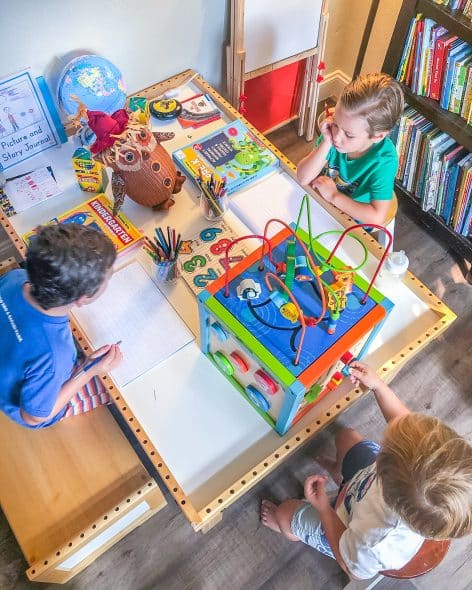
Counting objects
Measuring with a ruler
Recognizing different shapes
Making different patterns with a variety of objects
3. Make Animal Habitat:
This STEM activity is perfect for kids who love animals and have a strong interest in biology. The activity serves as an introduction to habitats and biodiversity and can be an opportunity for kids to think about the role that different animals play in the world.
Depending on your child’s age, you can also integrate more complicated scientific ideas like the interaction between organisms into this STEM activity.
The following are ideal for this STEM activity:
- Different kinds of animals:
Which animals do you think will live together in the same habitat? Which species do you think won’t live together in the same habitat?
- Plants and trees:
What do you think about the plants and trees in an animal’s habitat? What types of plants and trees do you think will live in a particular habitat?
- Archeological objects (fossils, rocks, etc.):
What do you think about the objects used to live in an animal’s habitat? What kind of animals would like to live there? Which species do you think won’t live there?
4. Water Pressure:
In this STEM activity, kids can apply their knowledge of science and scientific methods in a variety of ways based on their age.
Students can design an experiment to demonstrate the effects of pressure on water flow using a hose, a bucket, and a water pump. Applying pressure to the water supply, the faster it will flow out of your bucket. This is an excellent activity for teaching kids about how things work in the real world—and the significance of being aware of our environment!
5. Build Your Own Solar System:
You don’t have to be an astronaut to explore space. You just need a little imagination and a few household items!
Building your own solar system is one of the best ways for kids to learn about space and get excited about science.
Children can use cardboard boxes, buttons, and other household items to make their own miniature worlds to explore planets, moons, comets, and more. This activity is an excellent way to introduce them to different types of planets—and it’s sure to spark their interest in space!
6. Make a Magic Wand:
In this STEM activity, you’ll use science and engineering principles (i.e., the power of magnets) to help your child create a magic wand. This is a great activity for your child to learn about electricity, magnets, and the perks of technology.
With copper wire, copper tape, and individual wires for each segment of the wand, this STEM activity shows your child how a project can be done with modern technology.
Educational Purpose:
Introduce electricity (through both our own and other’s hands-on experiences)
Develop an understanding of circuits (electrical components and how they work together)
Demonstrate the benefits of electricity
7. Make a Rocket:
Kids love rockets! They’re fun and exciting and can demonstrate how things in the real world can help us understand how to improve our environment. You can use this STEM activity to teach kids about the benefits of technology, as well as encourage them to think of other ways that might be able to solve problems.
Space and rocket-themed STEM activities are the perfect way to get your kids excited about learning! Using simple household items like paper towel rolls, straws, glue, and aluminum foil, you can help your child create a fun and exciting rocket.
8. Create a Robot:
Robots are everywhere these days—from movies to children’s toys, they’ve become a part of today’s society. Whether your child is engaged in reading about robots, watching a movie that features robots, or playing with their favorite robot toy, this fun, and exciting STEM activity will make them feel like they’ve been accepted into the robot club!
Using cardboard boxes and household items, you’ll help your child create their own robot using their imagination. Expand your child’s creativity while they expand their understanding of the world around them. By using materials that are easy to find, you can help your child feel like they’re a part of a larger team.