What is Autism Spectrum Disorder?
Several factors are used to determine the level of autism. These include the extent of social communication skills, the insistence on the sameness of activities and environments, and repetitive behaviors. However, there is no single standard definition of autism. If your child displays any of these characteristics, you may need to see a psychologist.
What is autism
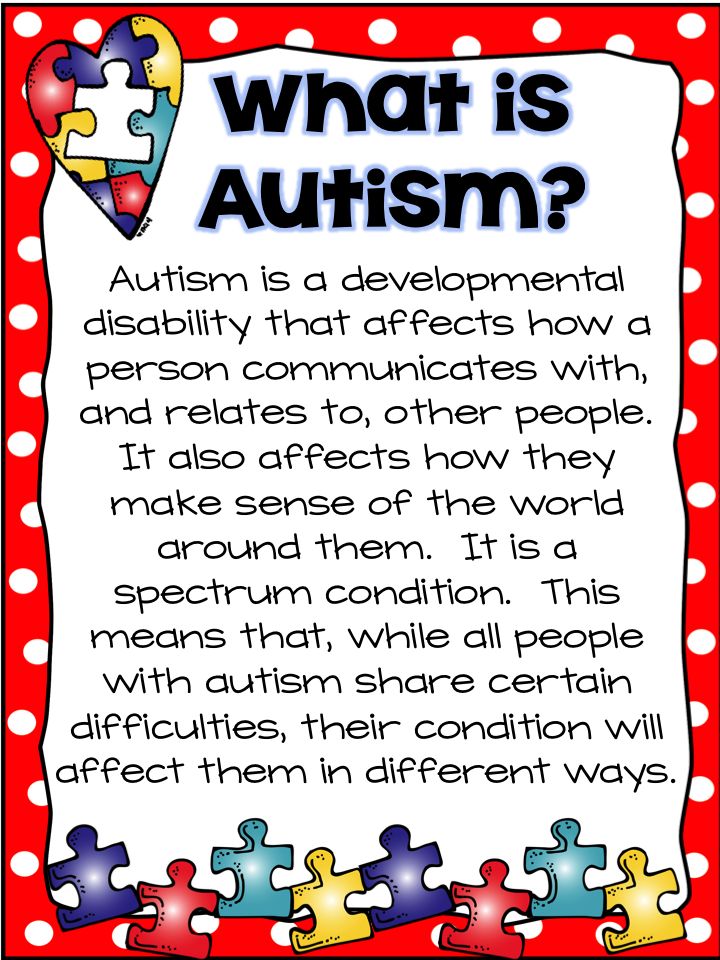
Autism is a spectrum disorder, which means that it can affect anyone differently. Some people with autism are highly intelligent and highly skilled, while others are severely challenged. During their early years, they may need significant assistance and support, but many eventually go on to lead happy, active lives. There are several risk factors for autism, including genetics and environmental factors. People with autism may also be affected by medical conditions or sensory sensitivities.
There is no known cure for autism, but early intervention is key. Treatment can help a child learn to speak, play, and develop social skills. Therapists may prescribe medications or provide counseling. A child may also benefit from complementary therapies. Animal therapy and art therapy are examples of complementary therapies. These therapies are not intended to cure autism, but to help a child function more independently.
Autism symptoms are often first noticed before the age of three. Parents may notice that their child seems to be having difficulties with communication and social interactions. There are a variety of symptoms that may indicate autism, ranging from mild to severe. In addition to behavioral and mental health issues, a child with autism may also experience emotional problems and difficulty expressing his or her feelings.
What is autism level 1
Autism is a very broad term that describes a variety of conditions involving challenges with social skills, repetitive behaviors, and nonverbal communication. Level one of autism refers to children with a milder form of the disorder. These children may not need as much support and care as children with a more severe form of the disorder, but they still experience difficulties with communication and social interaction.
Children with level 1 ASD often have difficulty reading social cues and body language, and struggle to form meaningful conversations with other people. They also have difficulty coordinating activities and moving from one activity to another. They are also less independent than other age groups and may have trouble adjusting to new experiences. This makes it difficult to help them learn new things and develop independence. Nevertheless, children with autism can benefit from special support in learning, socialization, and play.
The spectrum of autism disorders includes people with milder forms of the disorder, such as Asperger’s syndrome. These individuals usually display high intelligence but struggle in social situations. As a result, they often go undiagnosed, since few people recognize their symptoms as those associated with autism.
What is autism level 2
There are several levels of autism, and knowing which level a child or young adult is in can help doctors determine the appropriate level of support. Level two typically involves significant challenges in the areas of socialization and communication. Individuals with autism often struggle to make and maintain friendships. They may also have co-occurring psychological or physical conditions.
Level three is the most severe level of autism, and will require substantial support for the rest of a person’s life. They will exhibit a marked lack of communication skills, as well as inflexible and repetitive behaviors. They may also have trouble adapting to change and will have difficulty coping with sensory overload.
Level two autism involves even more difficult challenges than level one. The gaps in social and communication skills are usually larger. This level of autism usually begins around middle school, when social dynamics are more complex. Individuals with autism often become uncomfortable in social situations and exhibit an increasingly awkward manner. Other difficulties include difficulty making eye contact, nonverbal communication, and spatial awareness.